
Problem
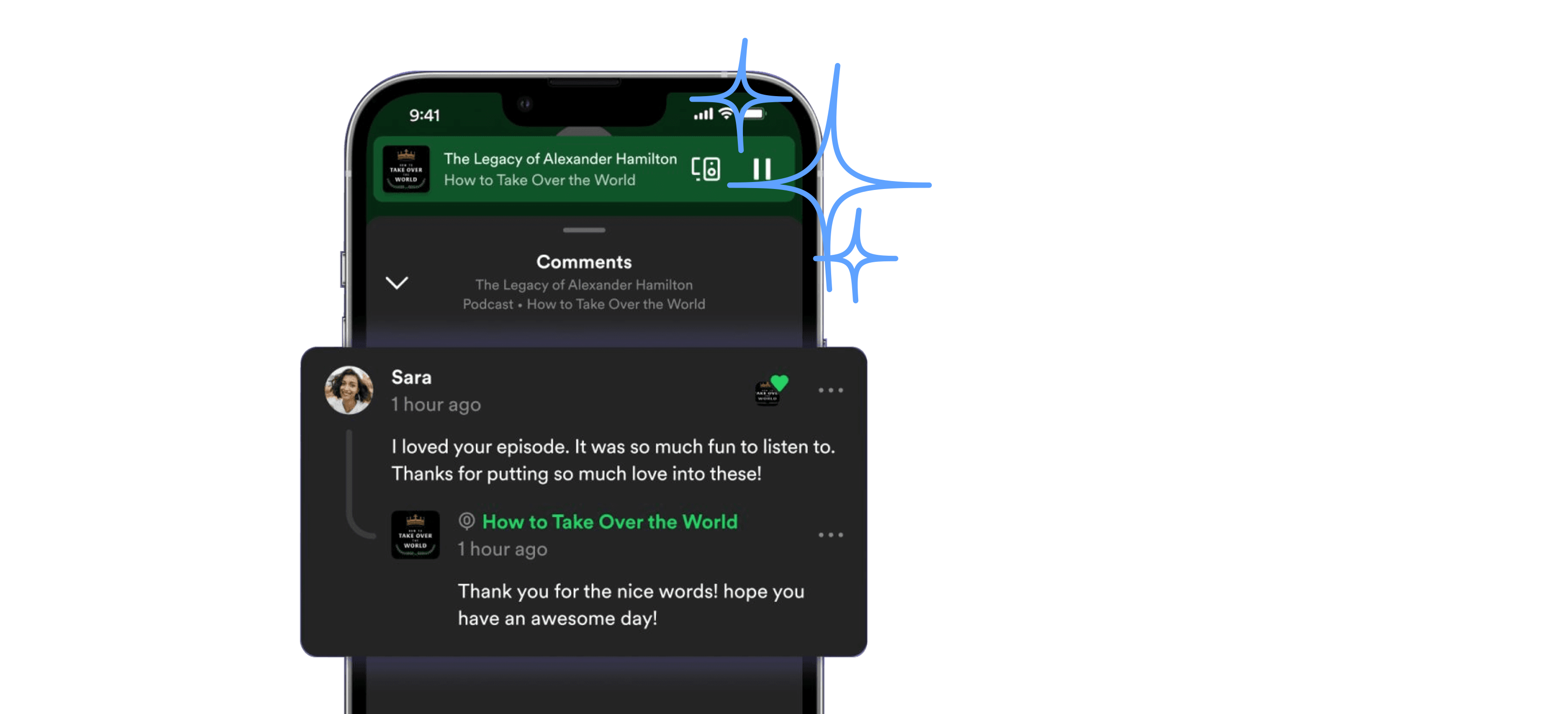
Comments in an app made for listening
Comment sections are where many platforms go wrong: toxic threads, visual clutter, and moderation that feels heavy-handed. Spotify wanted comments that connected listeners and creators without any of that, and without pulling attention away from listening.
That left two open questions: why would anyone comment on a podcast, and what makes a comment section worth coming back to?

Research
Asking the readers, not just the writers
I was part of the user research team in CoreX, the department that owns the Spotify mobile app, and I owned the study end to end: from a kickoff with product, design and engineering to agree on the research questions, to the recommendations I presented at the end.
The release date was fixed, so the study had to deliver quickly. I recruited 12 people who already used comment sections on other platforms: half who actively take part, and half lurkers who read but rarely post. Including the lurkers mattered, since a comment section has to work for the people who only read, not just for the ones who write.
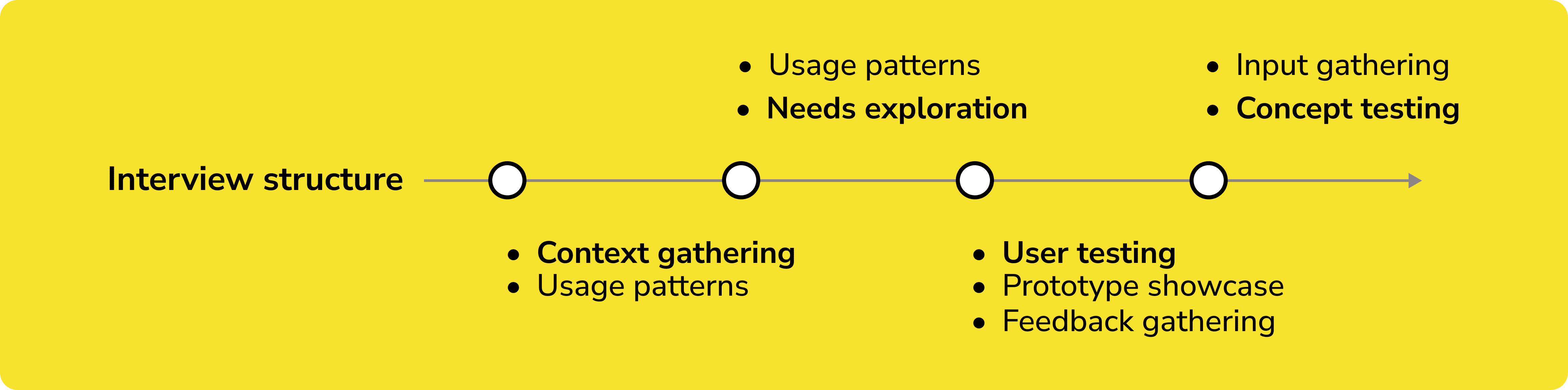
Each interview moved from the general to the specific. First, how they use comment sections today, and why they choose to engage with them. Then, how they would design comments for Spotify podcasts, and what they would value most. Last, I showed them the concepts our team had made, asked what they thought, and tested whether they understood them. I shared findings as they emerged, so design could start before the study ended.
Findings
What makes a comment section worth reading
Going in, my hypothesis was that people would rather have an honest comment section, with real disagreement and some banter, than a tidied-up one that only shows the positive, as long as the worst is kept out. The interviews confirmed it.
Comments are a way to connect, not just react
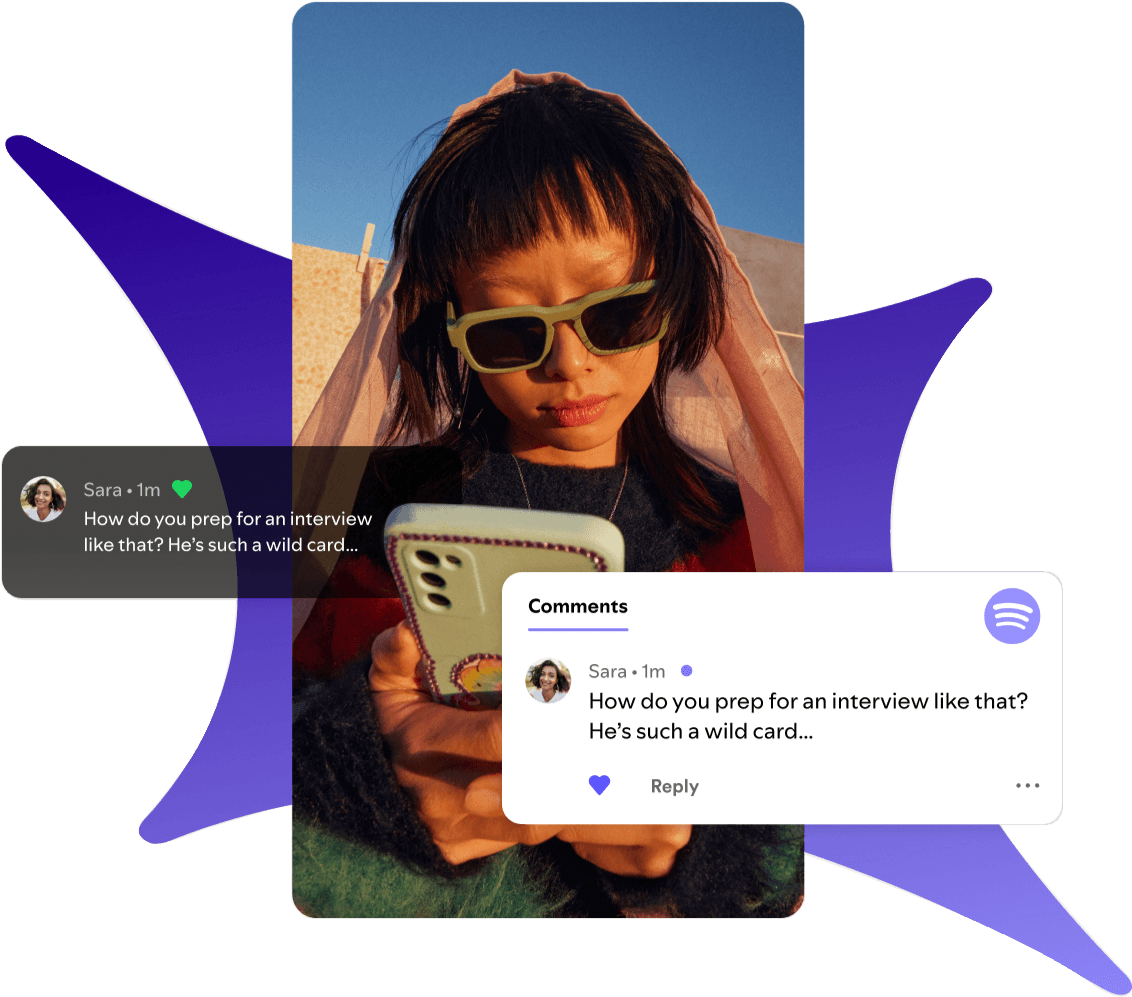
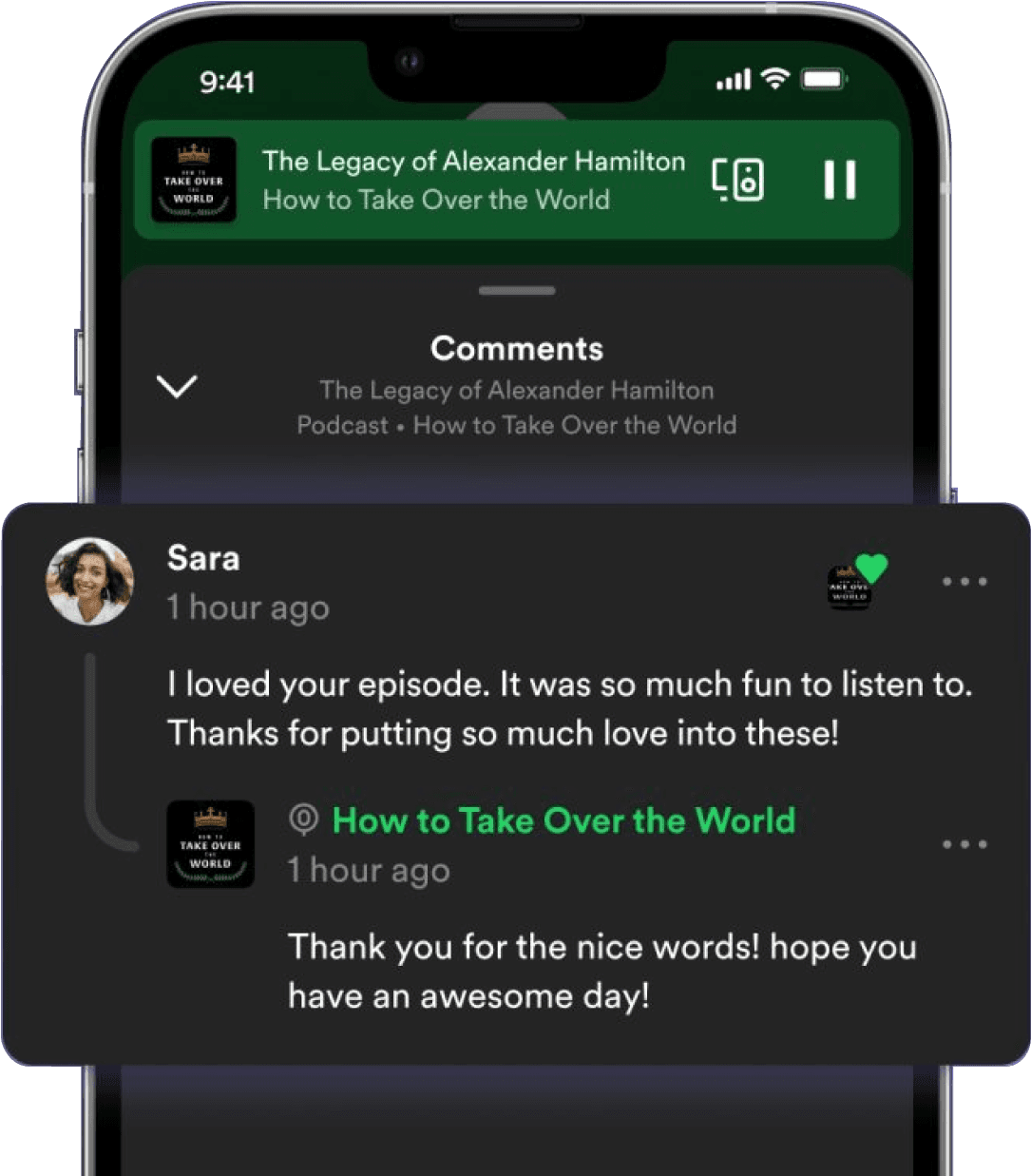
People saw comments as a connection to the show, its creator and other listeners, and also as a place for learning, humour and self-expression. So creators replying to their listeners became part of the concepts.
Comments must never compete with listening
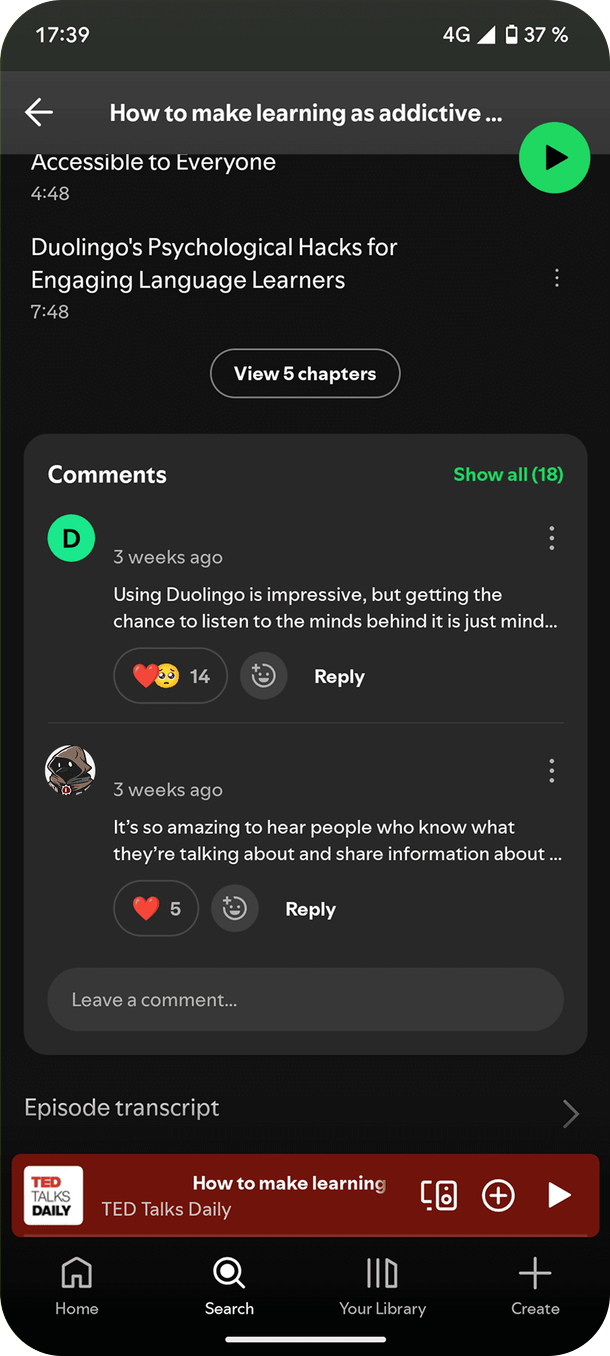
Comments shouldn’t pull focus from the audio. People wanted them close to the episode, but without visual clutter. So comments belong alongside the episode, not on top of it.
Too clean is as bad as too toxic
Negativity wasn’t welcome, but banter and real disagreement were part of the appeal. Many read comments to find people who agreed with them, and just as much to see the opposite view. Strictly moderated spaces felt impersonal.
So moderation had to be layered, not just strict.
People trust community signals more than filters
Moderation was clearly needed, but people preferred creator-pinned comments and community highlights over heavy-handed filtering. So pinned comments and community voting became essential.
Impact
Community first: pinned comments and voting
I presented the findings and recommendations to CoreX stakeholders, and they shifted the roadmap’s priority toward community engagement.
| Finding | Recommendation | What happened |
|---|---|---|
| Too clean is as bad as too toxic | Layered moderation: automated filters for clearly harmful content, plus reporting and community voting | Moderation was updated to reflect what users needed, rather than what the company had predicted |
| People trust community signals more than filters | Creator-pinned comments and community highlights | Pinned comments and community voting became essential for the release |
Scroll sideways →
Reflection
What I’d take with me
- Phased delivery beat a final report. Sharing findings as they emerged meant design could start on how to filter and rank comments before the study ended.
- Authenticity and safety aren’t opposites. The most useful finding was that people wanted both, which turned moderation from a filter into a design problem.
- Present for the business, not only the product. The findings landed best when I showed what they meant for the business, not just for the feature.